Working hours: Mon - Fri 8.00am - 5.00pm
Call Us: +233 (0) 302 502154
Infrastructure underpins economic growth and social development. When planned strategically, it delivers long-term value, resilience, and operational reliability.
However, inadequate infrastructure planning can generate significant hidden costs that extend well beyond the construction phase, affecting governments, businesses, and communities over the long term.
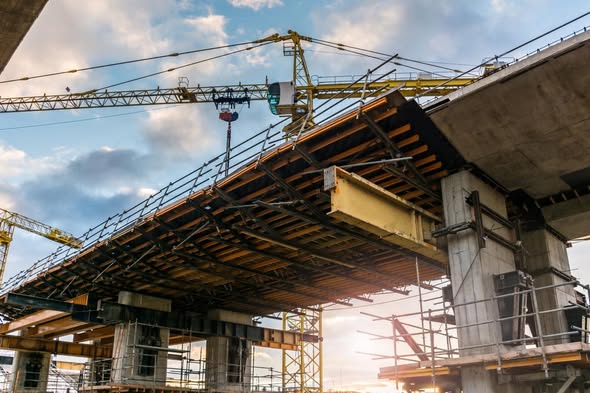
In many cases, limited feasibility analysis, gaps in data, and accelerated decision-making result in infrastructure that is not designed to meet future demand. Although this may lower initial costs, it typically leads to higher long-term expenses due to increased maintenance, premature asset replacement, and ongoing operational inefficiencies.
Infrastructure that is inadequately planned often experiences accelerated deterioration as a result of inappropriate material selection, insufficient design assumptions, or failure to fully consider environmental conditions.
This typically results in frequent maintenance, unplanned repairs, and costly rehabilitation interventions that significantly exceed the original project budget.
Consequently, when infrastructure is not planned or designed with long-term performance in mind, it tends to wear out or become obsolete sooner than anticipated. As a result, organizations are forced to spend additional resources on rebuilding or upgrading these assets earlier than expected, diverting funds and attention away from new projects or essential services that could deliver greater value.
At Q3 Limited, we view thorough planning as the cornerstone of sustainable infrastructure. We combine our technical expertise with environmental responsibility and a long-term perspective, to deliver projects that reduce risk, manage costs effectively, and create lasting value for the communities we serve.
For more info, visit www.q3limited.com/contact